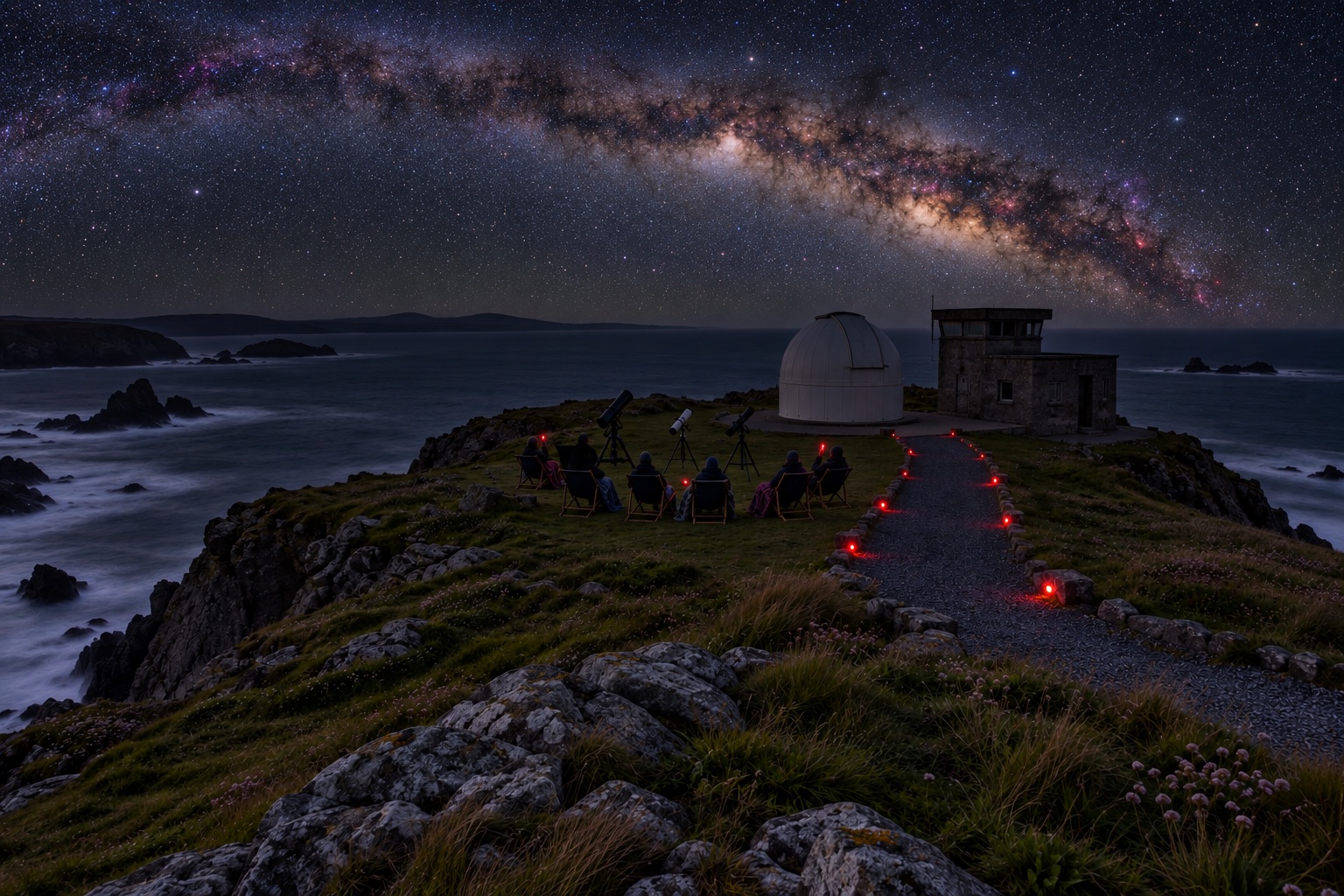
The Milky Way
Best in autumn
Across the whole sky, over the sea. On Orla's best night you could see its dark lanes with your own eyes.
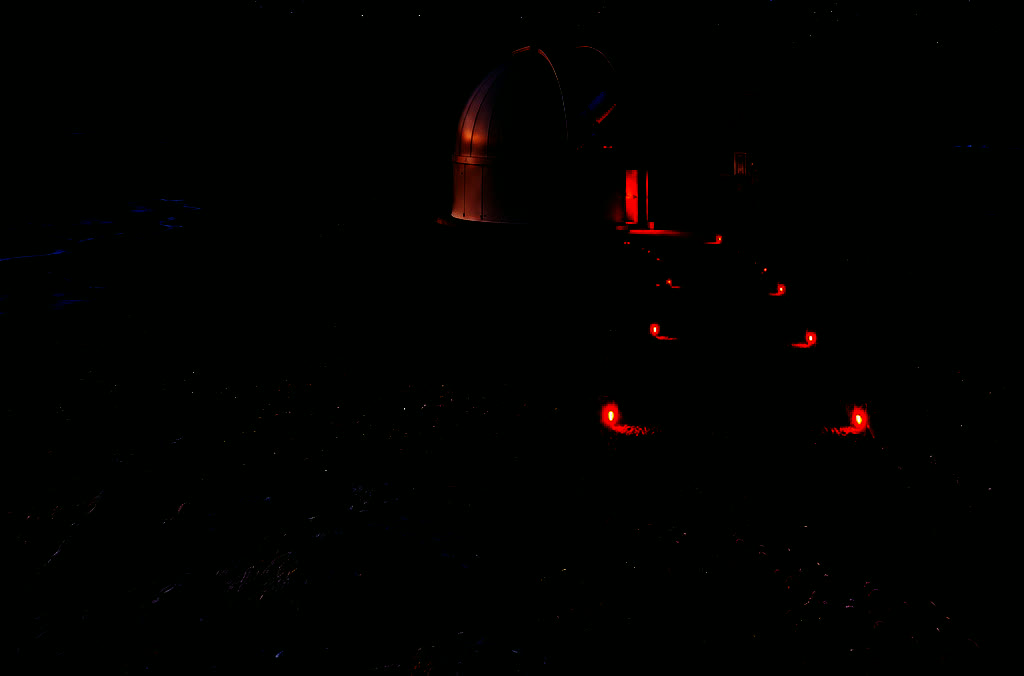
A small dark-sky observatory on the west coast of Ireland. Twelve guests at most. No streetlight for eleven kilometres.
Book a sky nightThere is no town between the headland and the sea to the west.
No streetlight for eleven kilometres.
Most people in Europe never see the sky like this.
The dark here is the most valuable thing I own. I'd like to lend it to you for a night.
Orla Breen
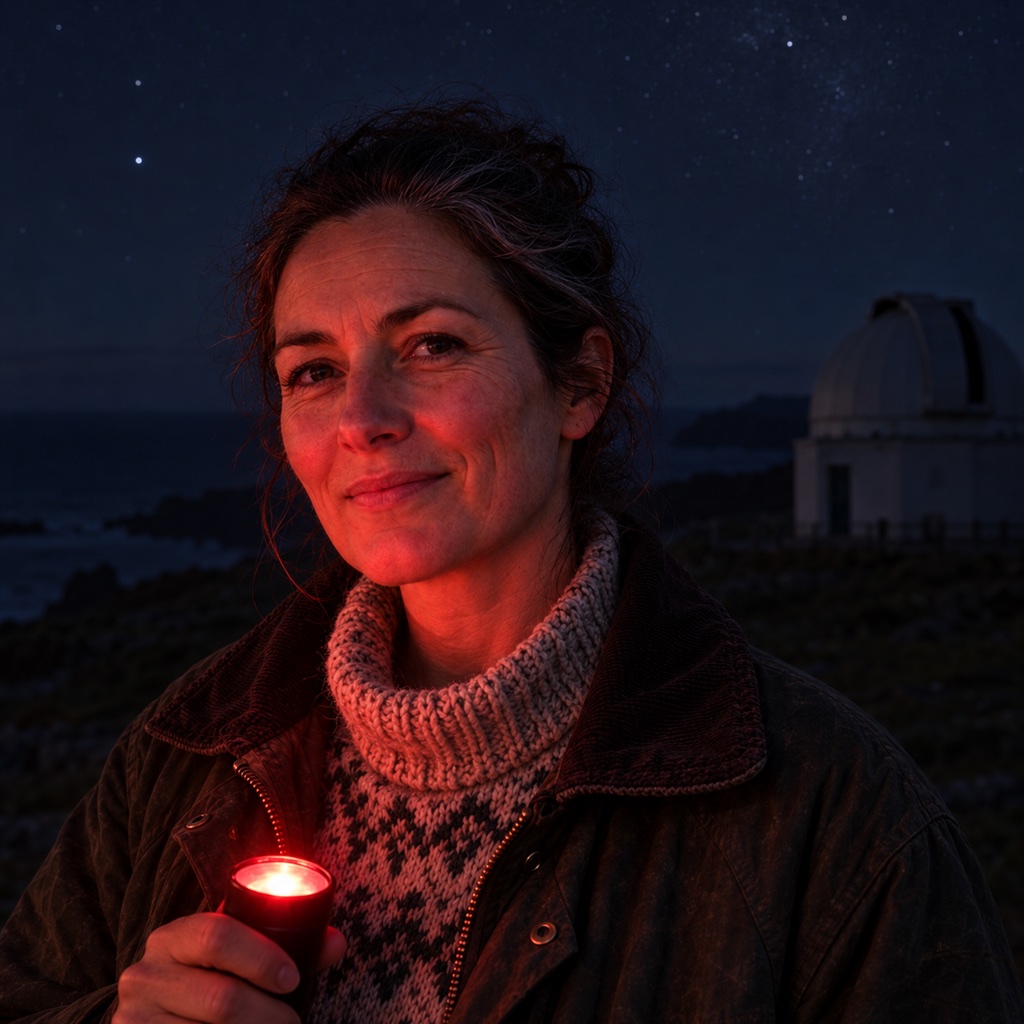
I spent eleven years telling people what the sky would do. Now I show them what it's for.
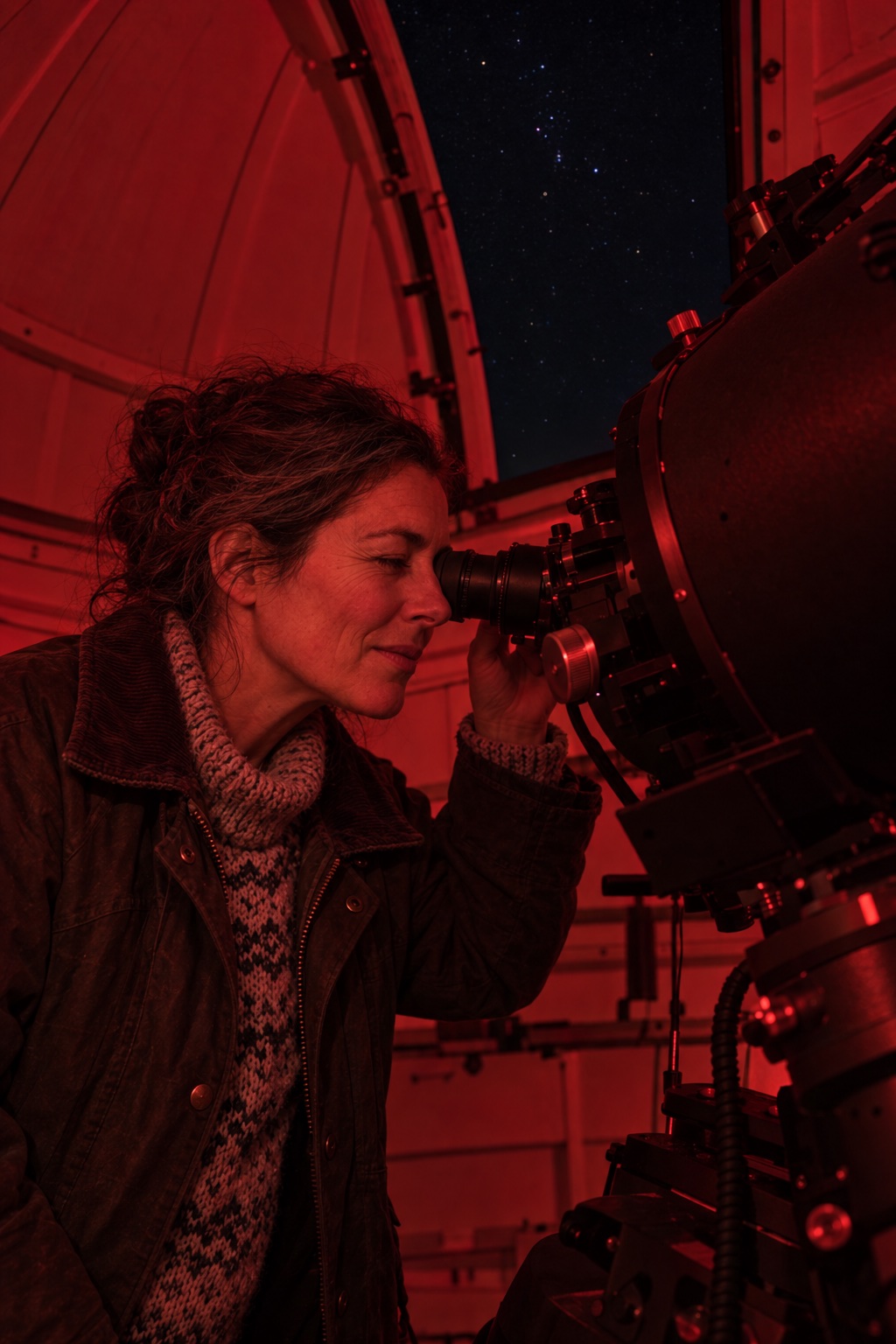
Orla is the only person behind the observatory. She runs every night herself, and she is the one who will meet you in the car park. She chose the headland for its darkness before she had a telescope.
21.8
On a sky quality meter, on her best night. At that darkness the Milky Way is not a haze: you can see its dark lanes with your own eyes.
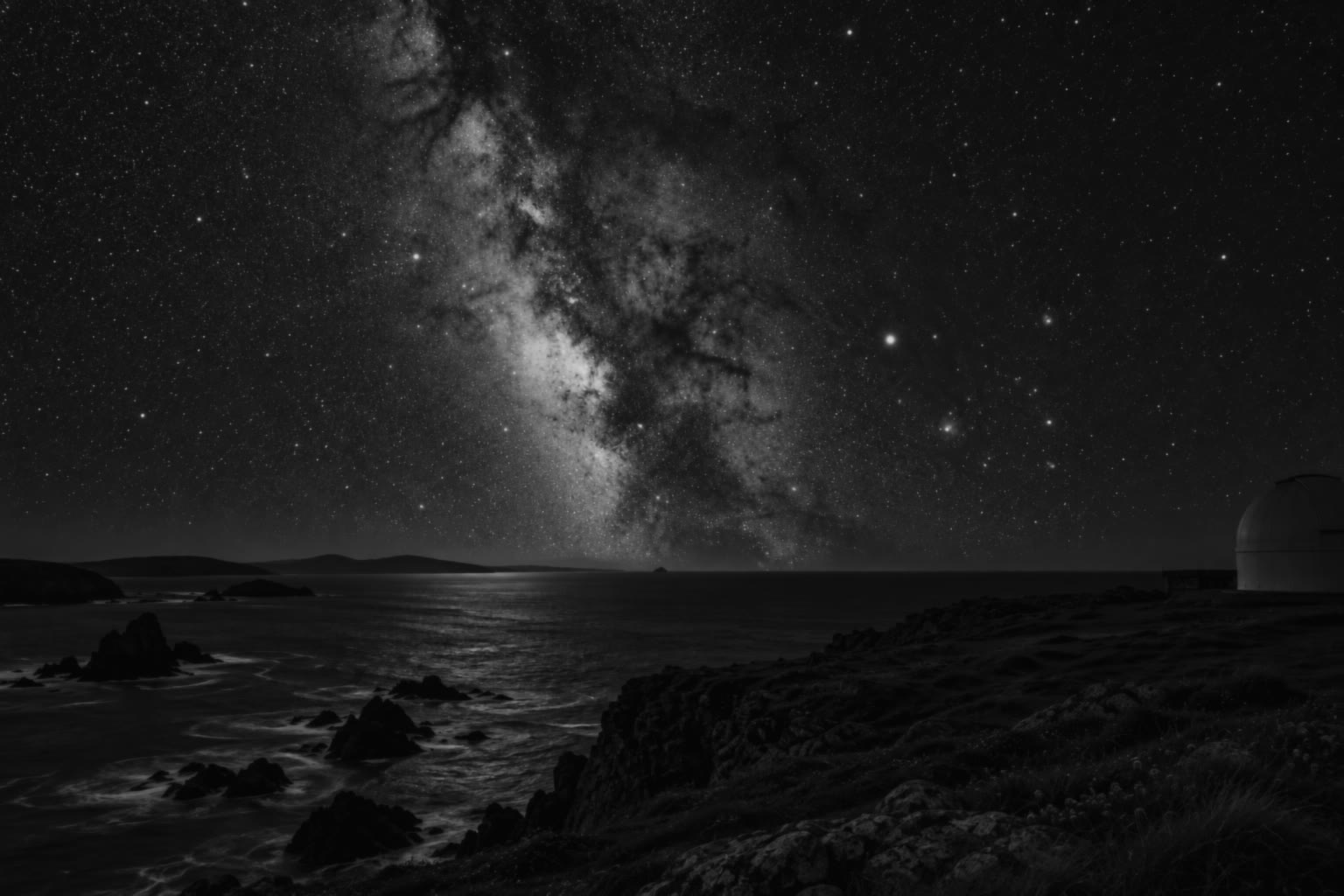
20 min
On the lawn, eyes adjusting. The sky is drawn for this page, not photographed.
That was twenty minutes gone. White light resets your eyes, and on the headland they take about twenty minutes to adjust again.
Start on the lawn. No telescope yet.
Orla points out what is appearing, with a green laser.
More and more stars come through.
That smudge is the Andromeda Galaxy. The light you are seeing left it 2.5 million years ago.
Give your eyes twenty minutes and they'll give you the Milky Way.
The Milky Way pictures on this page are long exposures. They show more stars, and far more colour, than your eye will.
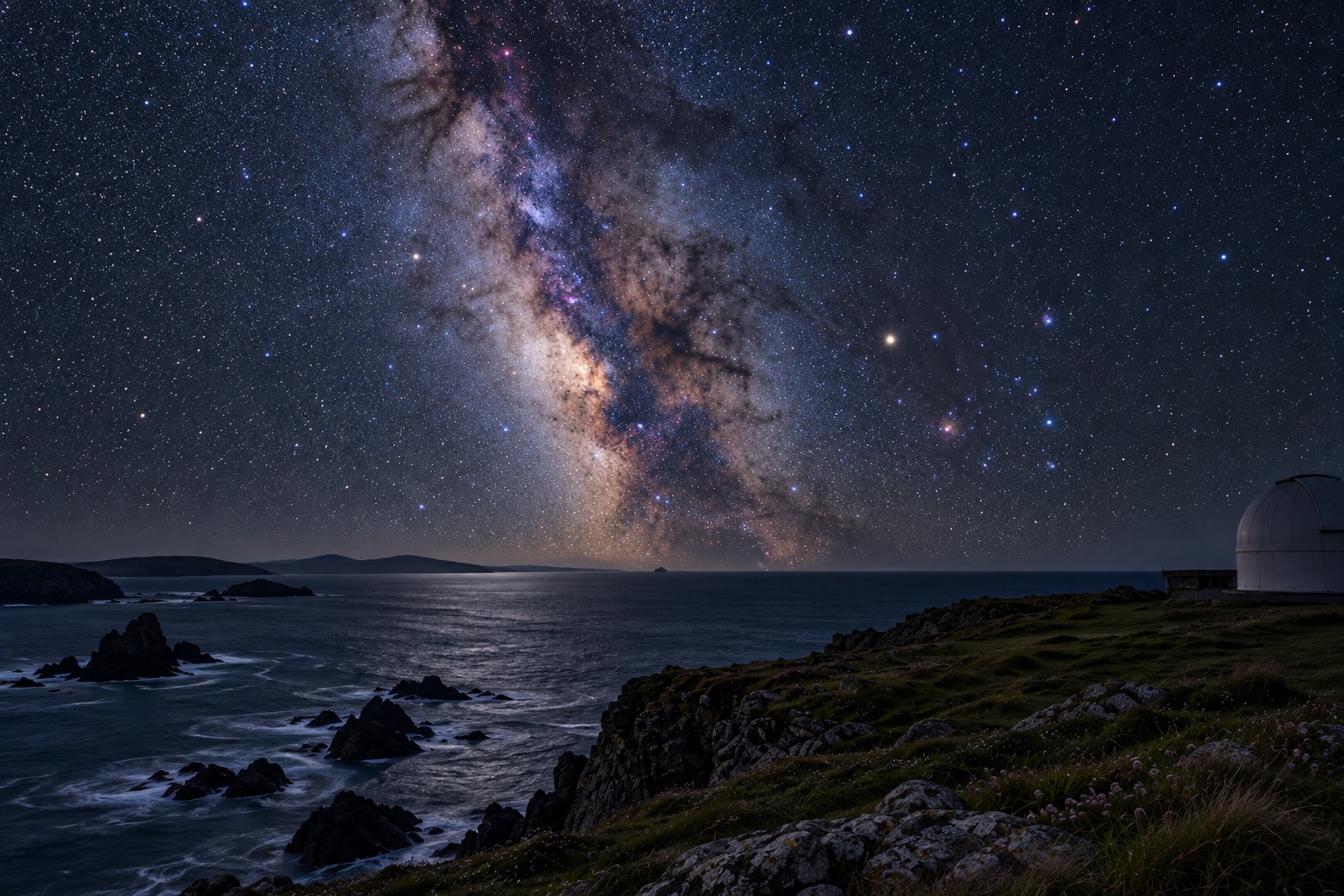
A pale, textured band across the sky, with dark lanes in it. Not much colour. Quieter than the photograph, and there in front of you. Even this version keeps more stars than you will count.
A long exposure gathers light for far longer than an eye can. Lovely, and not what you will see.
What your eye does get: the Andromeda Galaxy, 2.5 million light-years away, as a faint smudge you can see without a telescope once your eyes have adjusted. The light you see left it 2.5 million years ago.
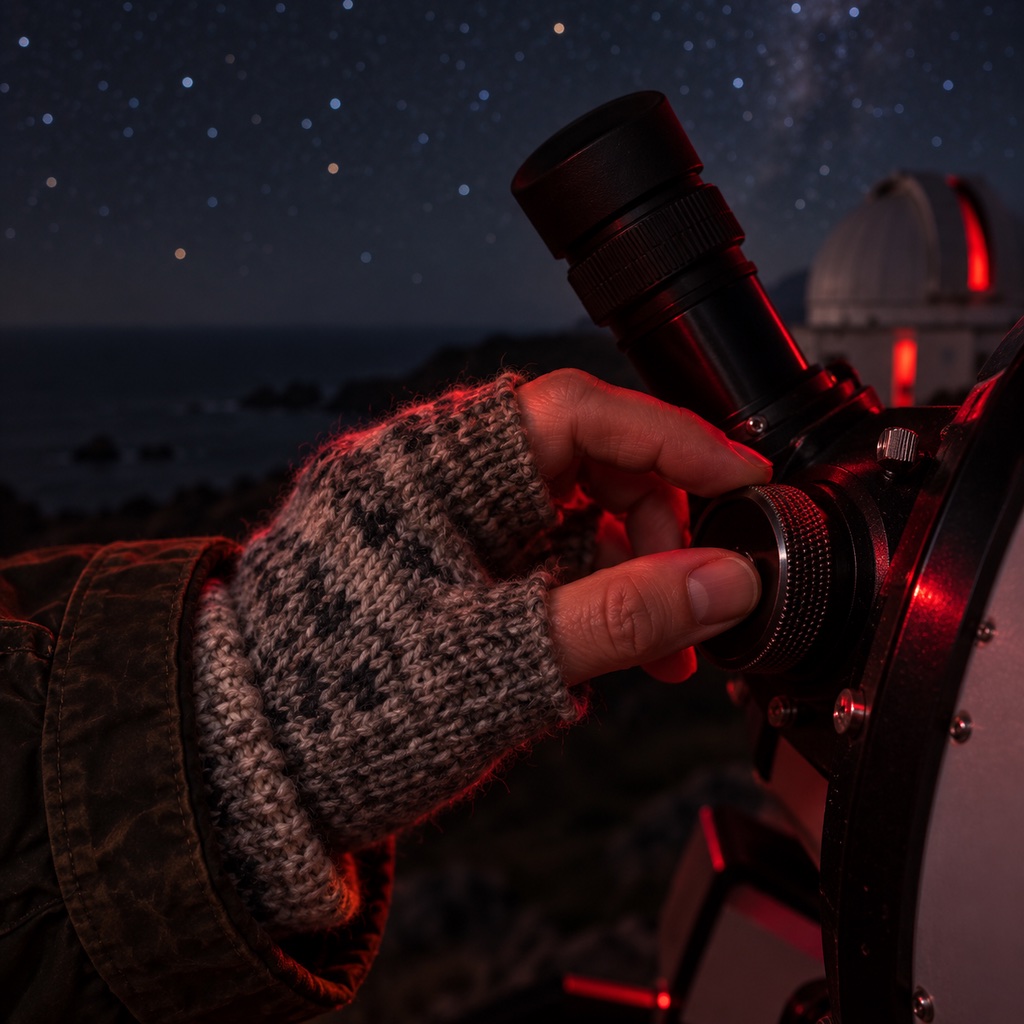
A small dome holds the main telescope, a 14-inch reflector. Outside on the lawn, three smaller telescopes stand in a row, with deckchairs and blankets between them.
What you see depends on the season and the sky, and Orla chooses on the night. Already own binoculars or a small telescope? This is a genuinely dark sky, and Orla knows it.
Best in autumn
Across the whole sky, over the sea. On Orla's best night you could see its dark lanes with your own eyes.
Once your eyes have adjusted
2.5 million light-years away, and visible without a telescope as a faint smudge. The light you see left it 2.5 million years ago.
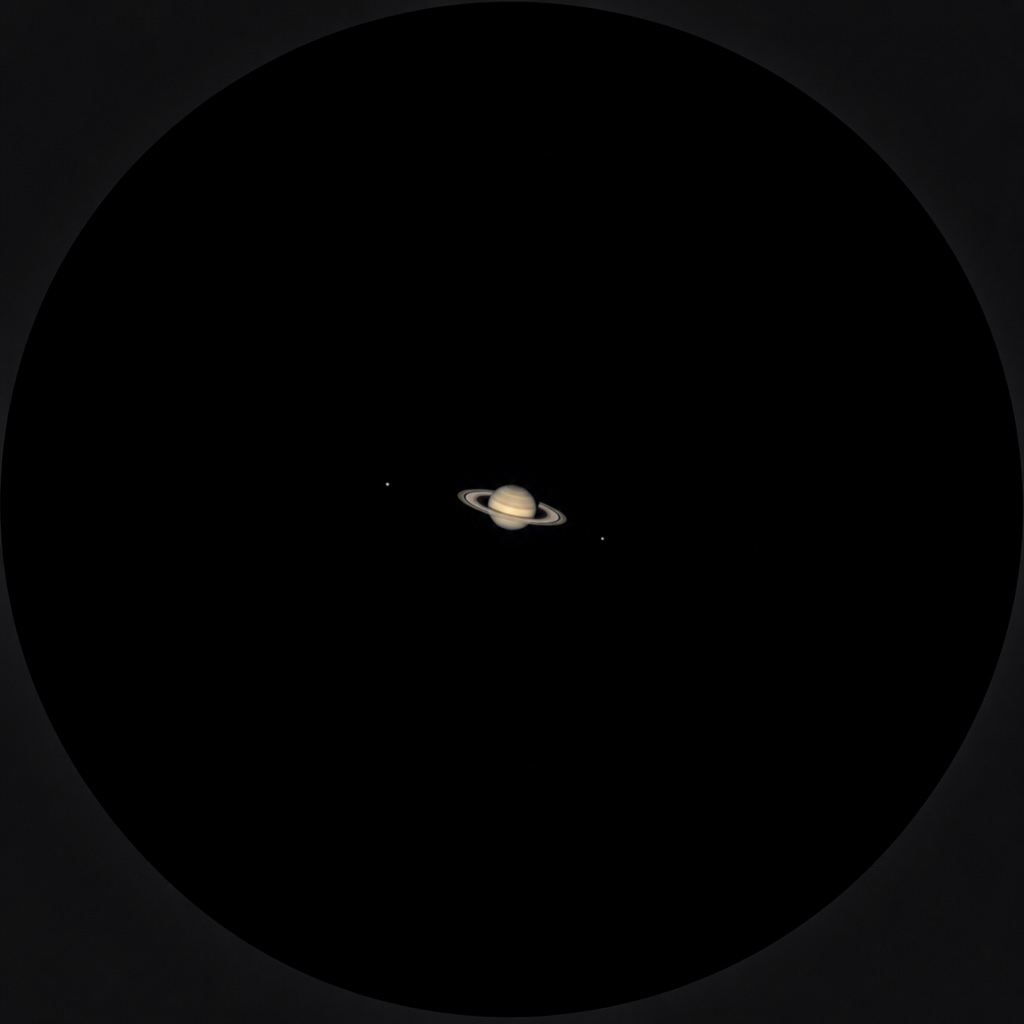
Autumn and early winter
Through a telescope. This is the eyepiece view as the eye takes it: small, sharp, and really there.
Winter
A cloud where stars are forming.
Through the winter
A cluster of young stars.
Nights are best without the moon, so the calendar follows it.
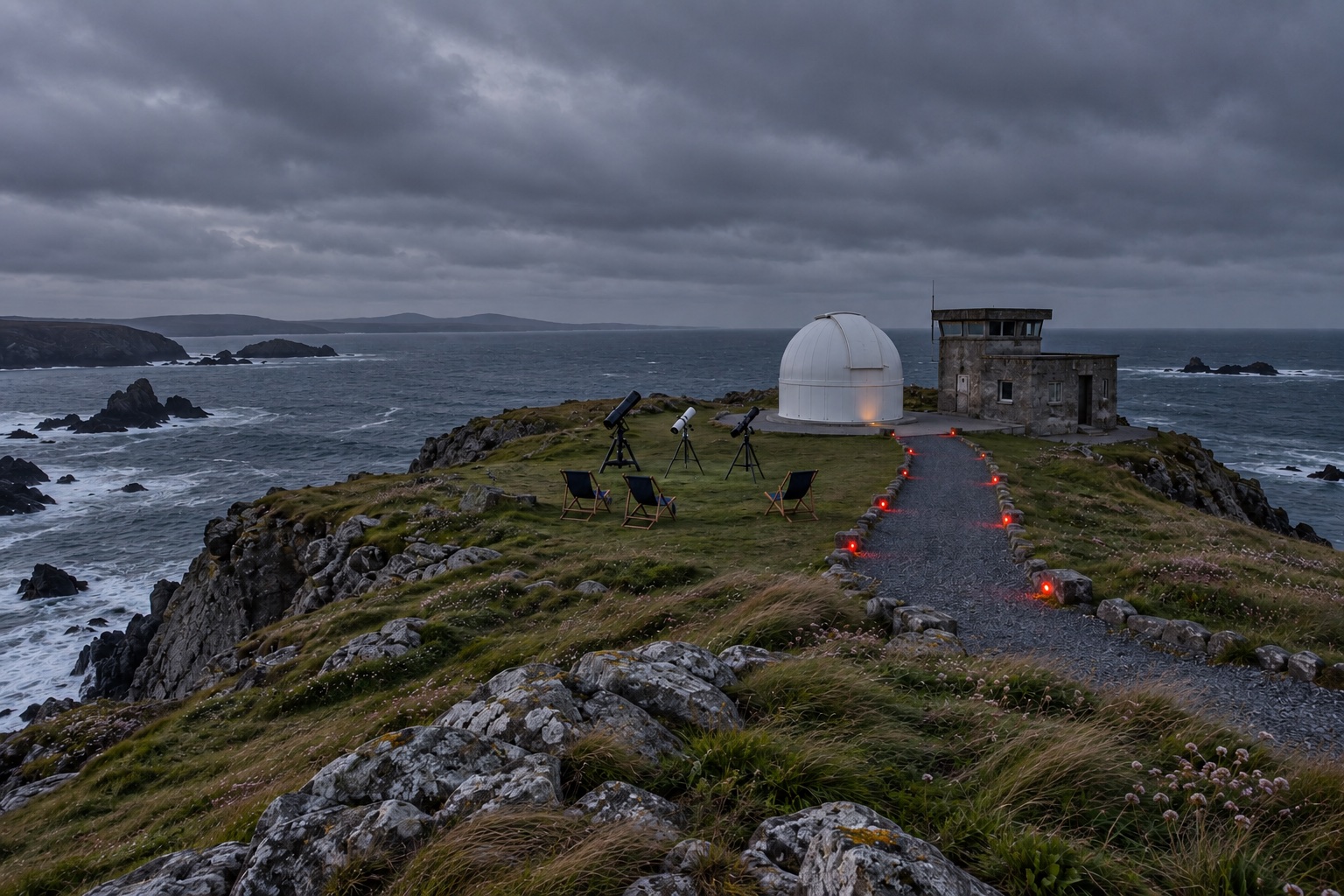
The same headland under full cloud. No stars, dome shut.
Cloud is the only guest who never cancels.
At 4pm on the day, Orla checks the forecast.
If cloud is forecast, she emails everyone booked by 5pm. You choose: another night, or a full refund.
If the sky closes after you arrive, you get a free second visit.
I will never sell you a cloudy night.
Everything you will want to know before you book.
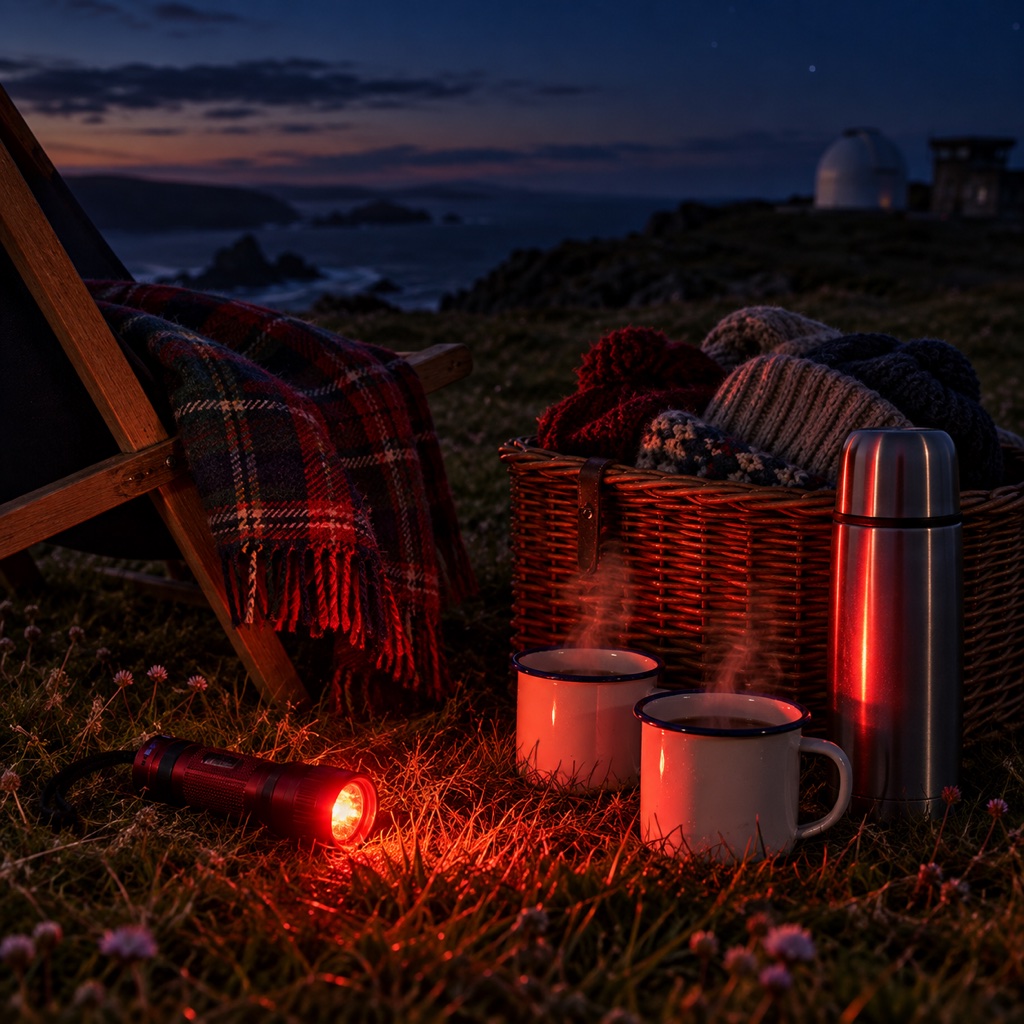
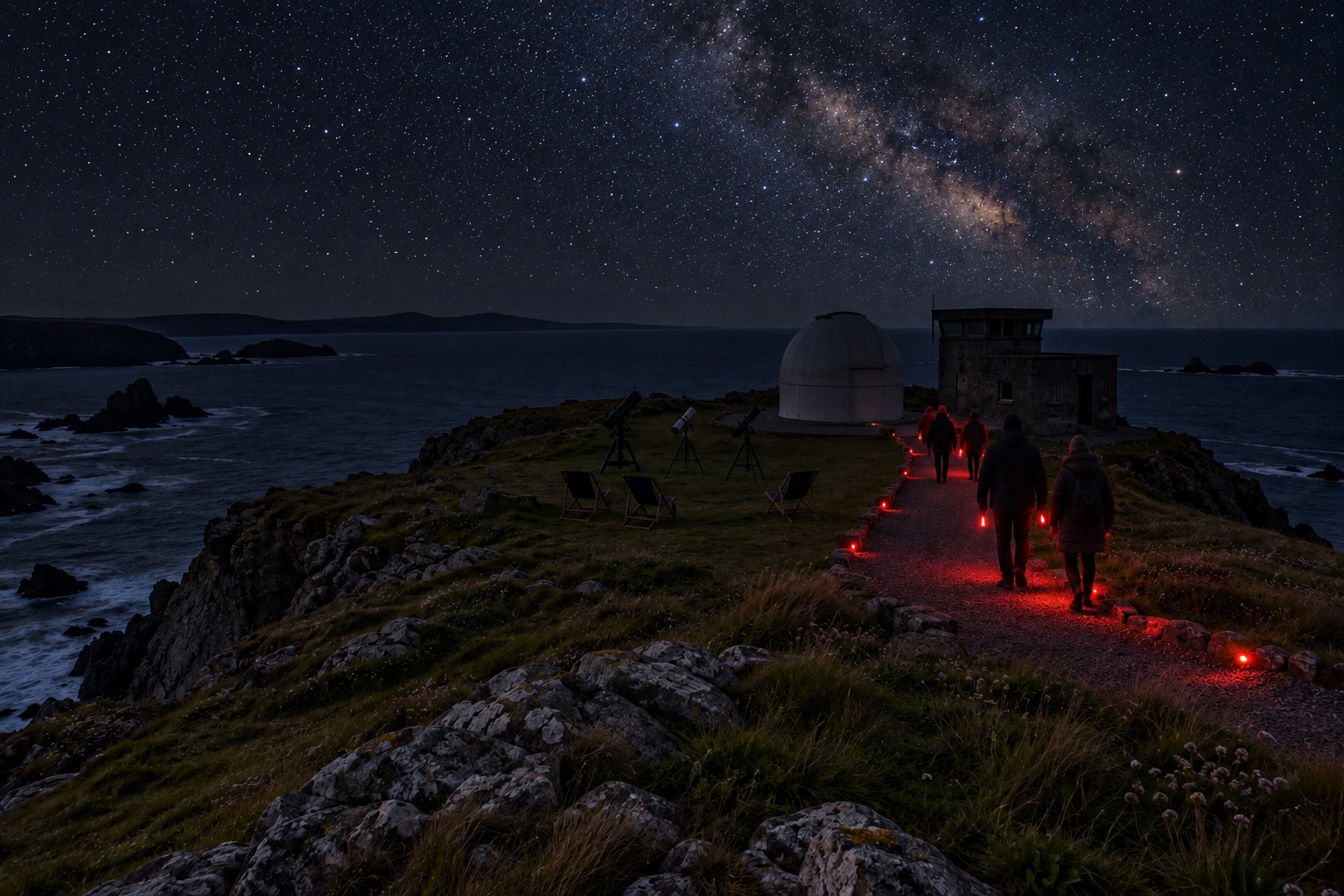
Twelve guests at most. Orla will meet you in the car park, and hand you a red torch.
Book a sky nightBooking is online, for a named night. It opens for each month on the first of the month before. Move it free up to 24 hours before.
Questions? hello@doonvarra.ie. Orla answers every email herself.