Come for
the dark.
Twelve people. The Atlantic.
A little less light. A little more universe.
A note from your astronomer
“The dark here is the most valuable thing I own. I’d like to lend it to you for a night.”
Orla spent eleven years forecasting the weather. She chose this headland for its darkness before she had a telescope.
Now she runs every night herself. She’s the person who checks the sky, puts out the blankets and meets you in the car park.
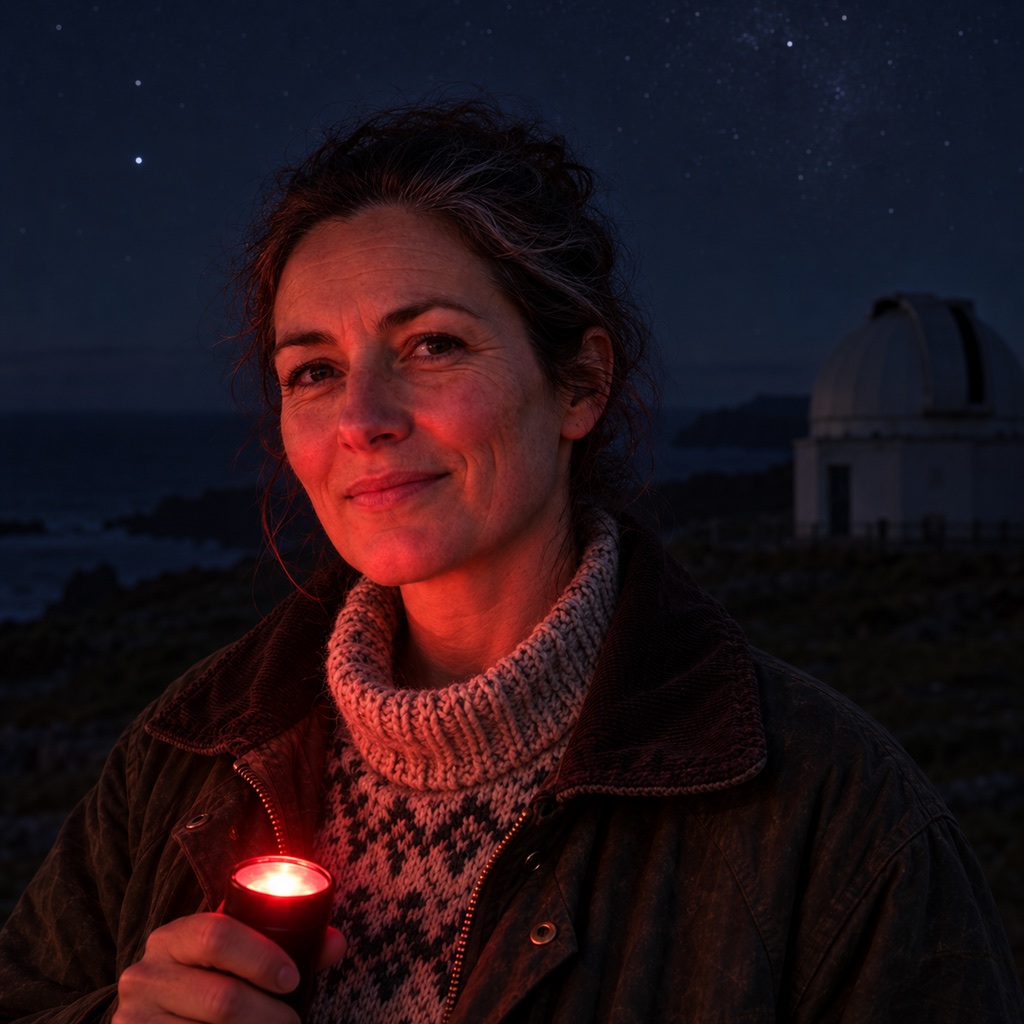
No town between you and the sea.
No streetlight for eleven kilometres.
On Orla’s best night: 21.8 on the sky quality meter. Dark enough to see the Milky Way’s dark lanes with your own eyes.
First, let your
eyes arrive.
“Give your eyes twenty minutes and they’ll give you the Milky Way.” Orla Breen
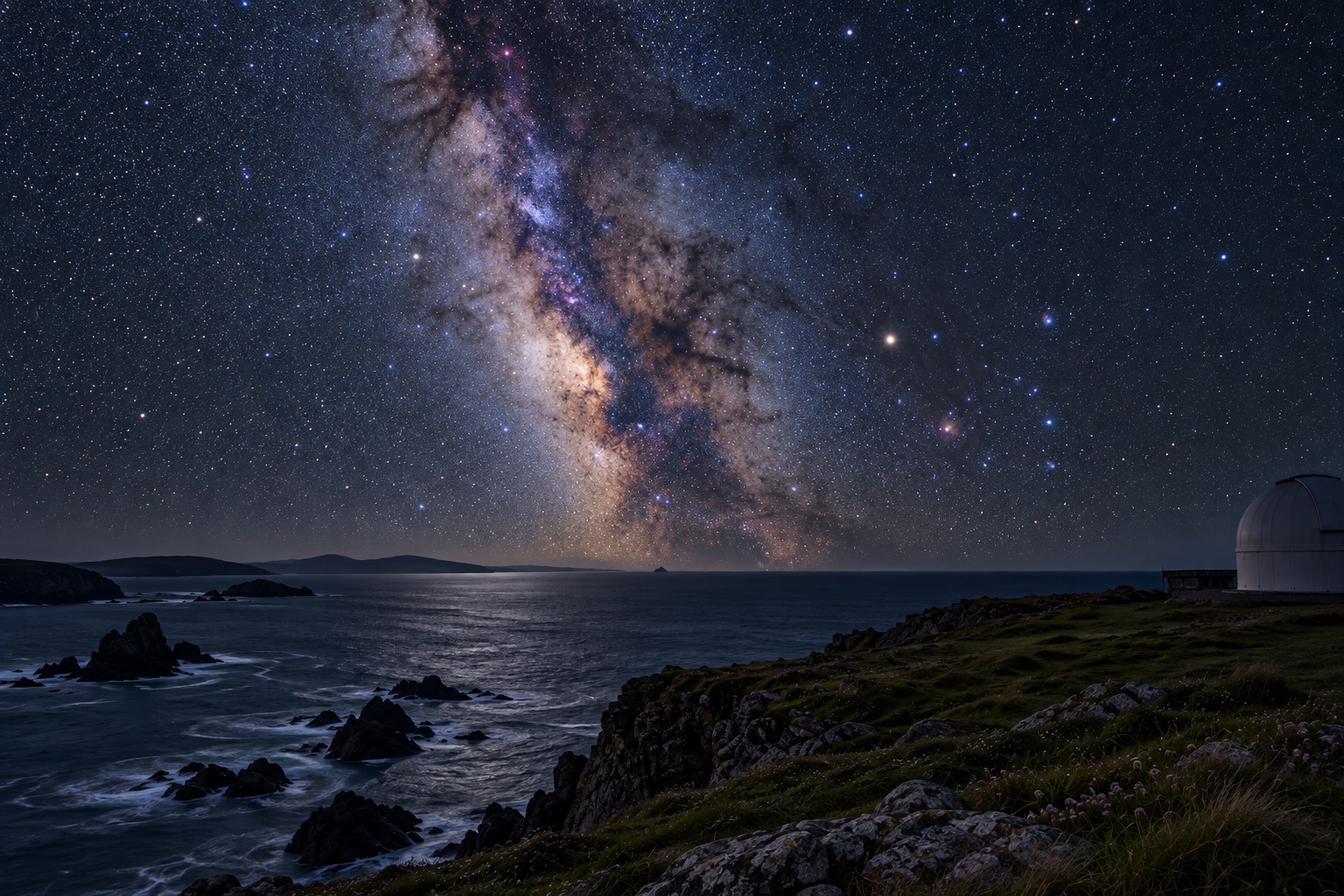
Less colour.
More connection.
You won’t see the sky quite like this photograph. To your eyes, the Milky Way is a pale, textured band with dark lanes, not a ribbon of colour.
Andromeda is a faint smudge. But you are seeing another galaxy for yourself, with light that has travelled for 2.5 million years.
Small in your eye.
Quite a lot to take in.
A night, at human scale.
About two hours. Twelve guests at most.
The sea on three sides, and no indoor lecture waiting in the wings.
Settle into the dark.
There’s no telescope at first. You start on the lawn and give your eyes twenty minutes. Orla’s green laser points out what’s appearing.
Then, the eyepiece.
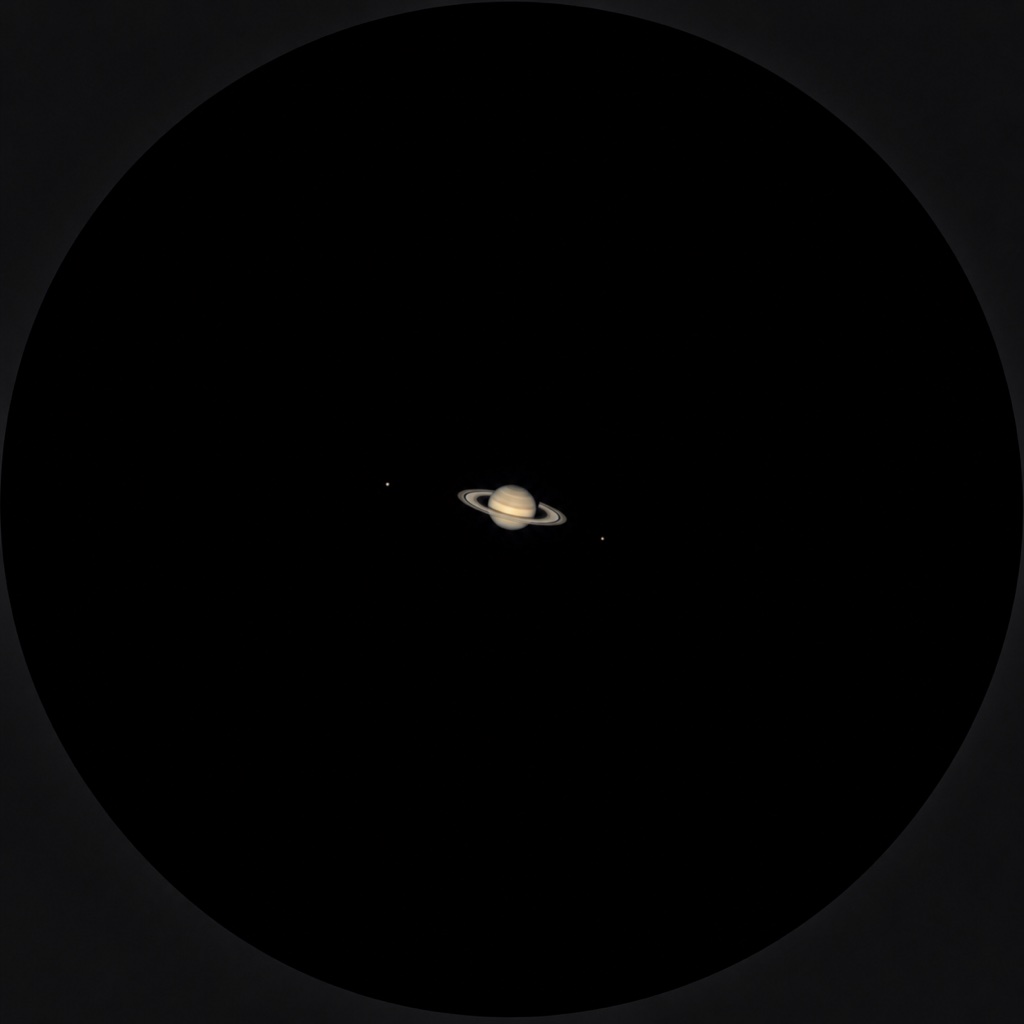
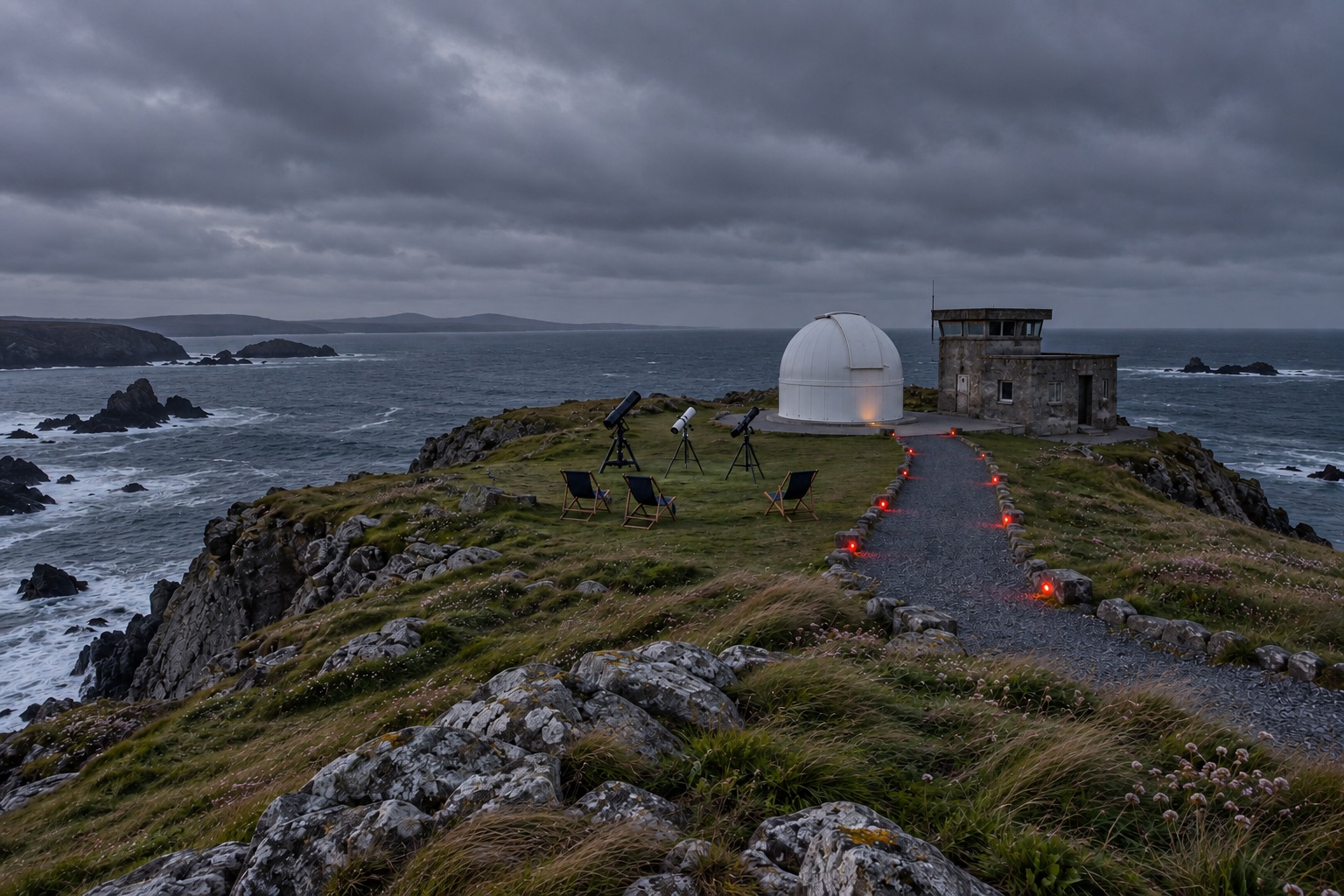
The dome holds a 14-inch reflector. Three smaller telescopes stand on the lawn. Orla chooses what to show you on the night, according to the season and the sky.
Something warm between worlds.
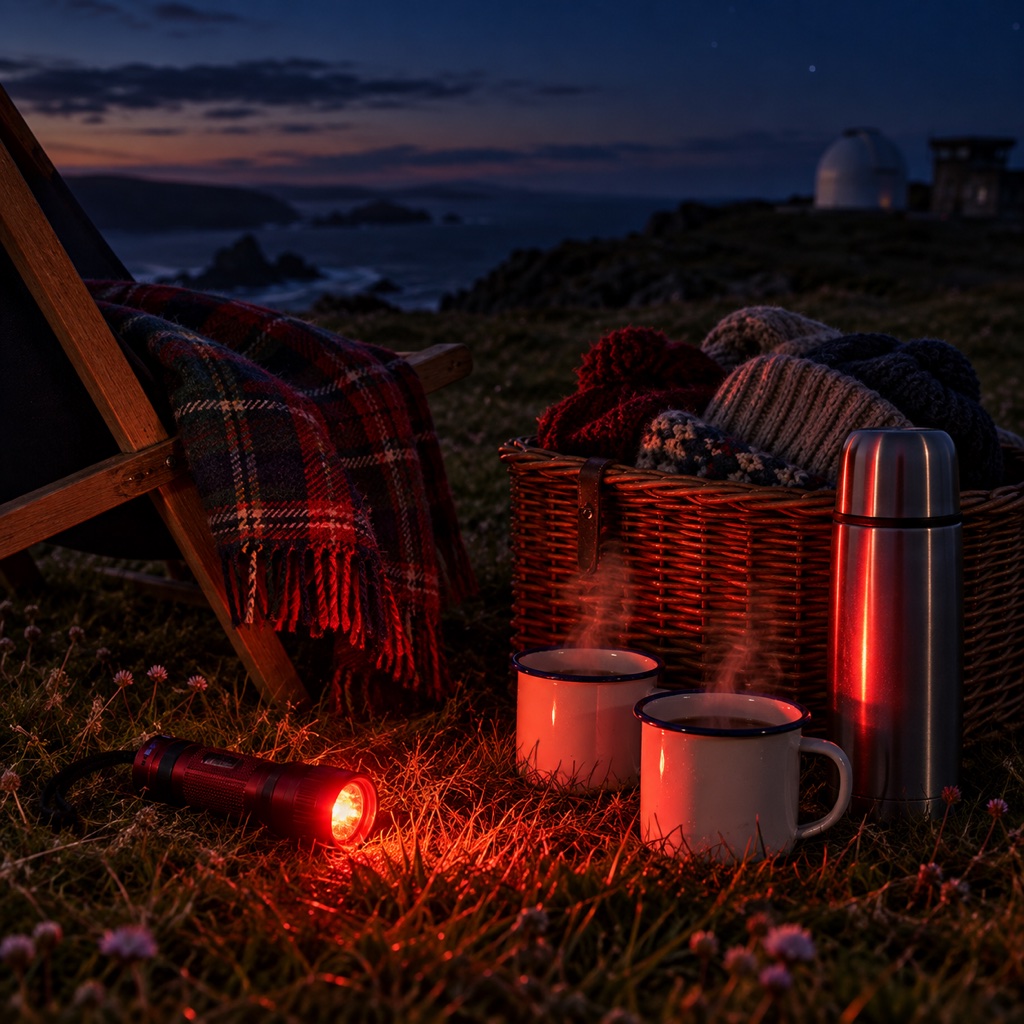
Deckchairs, blankets, tea, hot chocolate and a basket of woollen hats. On a still night, you can hear the sea below the cliff.
The sky chooses the programme.
The Milky Way is best in autumn. Saturn’s rings often appear in autumn and early winter. In winter, you may see the Orion Nebula, where stars are forming, and the young stars of the Pleiades. Nights are best without the moon, so the calendar follows it.
“I will never sell you
a cloudy night.”
Orla was a weather forecaster for eleven years.
She knows when to call it.
Orla checks the forecast on the day of your session.
If cloud is forecast, she emails you. Move to another night, or take a full refund. You choose.
Cloud after you arrive?
You get a free second visit. There’s no indoor talk offered as a substitute.
“If there’s nothing to see, I’d rather you went home warm and came back.”Orla Breen
A small invitation into a very large sky
Leave the bright
world behind.
Book a sky night
€35 adults
€18 under-16s
Children aged 8 and over are welcome.
Book online for a named night. Each month’s bookings open on the first of the month before.
Questions before you come?
hello@doonvarra.ie
Orla answers every email herself.
When the dark comes back
Late August to mid-May, Thursday to Saturday. Sessions begin after full darkness: 22:30 in late August, 19:00 in midwinter.
We close from mid-May to the end of July. At this latitude, even midnight has twilight on the northern horizon.
Getting to the lawn
The path from the car park is level, 150 metres long and edged with low red lights. One telescope has a low eyepiece that can be used from a chair.
Warm layers. Red light.
Bring more warm layers than you think. It’s an Atlantic headland, and colder at night than it looks from the car.
Orla gives you a red torch. Put your phone away or use its dimmest red setting. White light resets your eyes, and they need about twenty minutes to adjust again.
If your plans change
Move your booking free up to 24 hours before. Inside 24 hours, it can still be moved if another guest takes your place.